Microwave Chemistry TechnologyMicrowave
1. The Science of Microwave Ovens: What are Microwaves!
2. Characteristics of Microwave Chemistry
Heating Mechanism
|
|
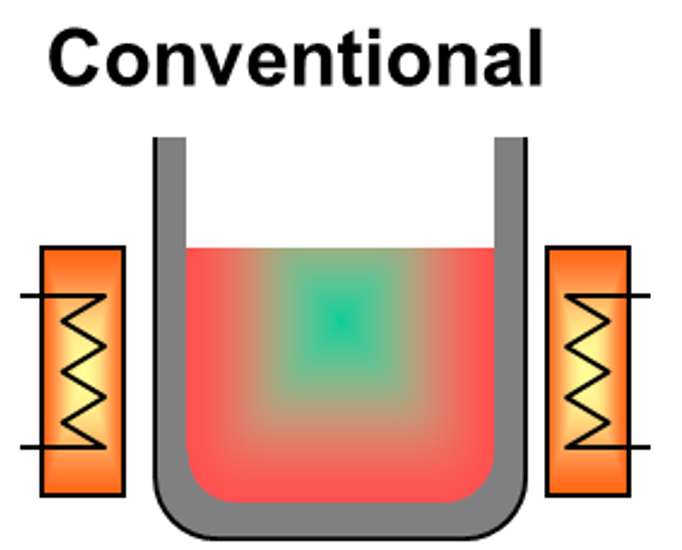
| Conventional Heating Process: Heating with an external heat source, advancing the reaction through temperature increase. |
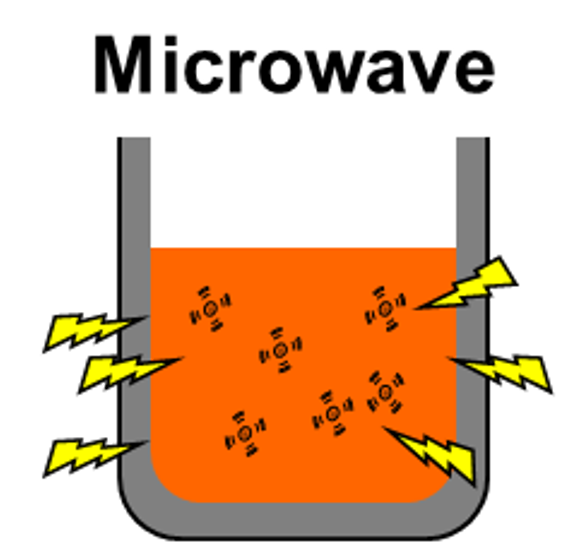
Microwave Heating: Reaction proceeds through internal heating based on the dielectric loss heating phenomenon of substances. |
 |
 |
 |
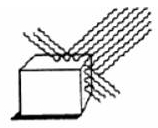
| Metals have the property of reflecting microwaves. |
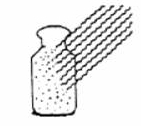
Water and alcohol absorb microwaves and heat up. |
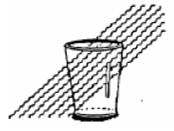
Glass and dry ice allow microwaves to pass through and do not heat up in the microwave oven. |
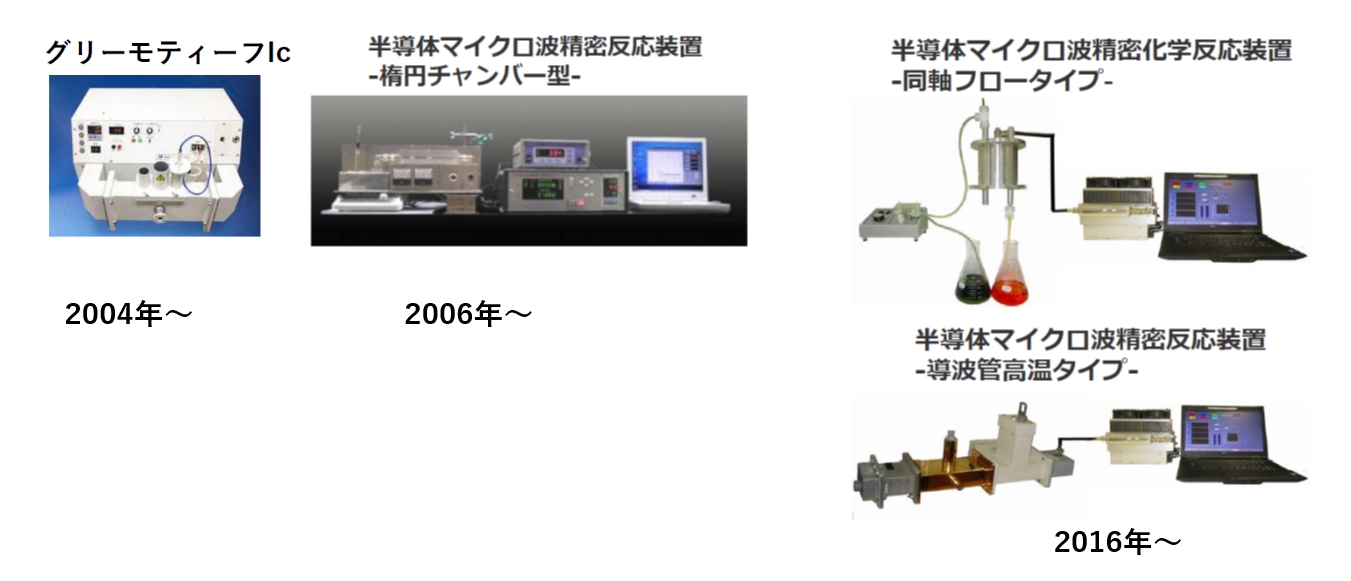
Microwave Reaction Apparatus Using Microwave Oven Principle
What are the benefits of using a microwave reaction apparatus???
Reduction of Reaction Time
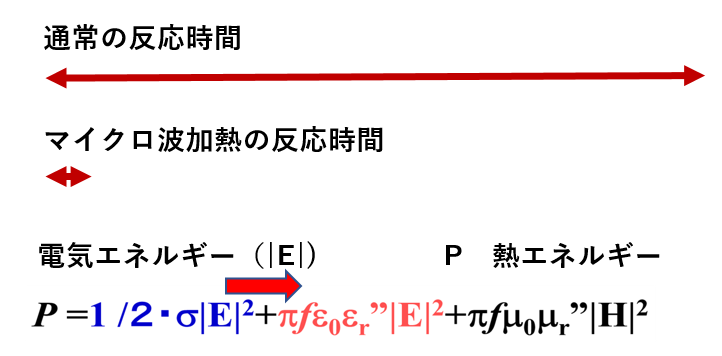
Since substances generate heat themselves due to their electrical conductivity (σ), dielectric properties (ε"), and magnetic properties, rapid reactions occur at high temperatures.
Microwave Chemistry Technology 2Microwave chemistry
Principles of Microwave Chemistry
Microwave chemistry is a new scientific field that combines chemical technology and radio wave technology.
Microwave synthesis demonstrates its power in rapid, high-purity synthesis.
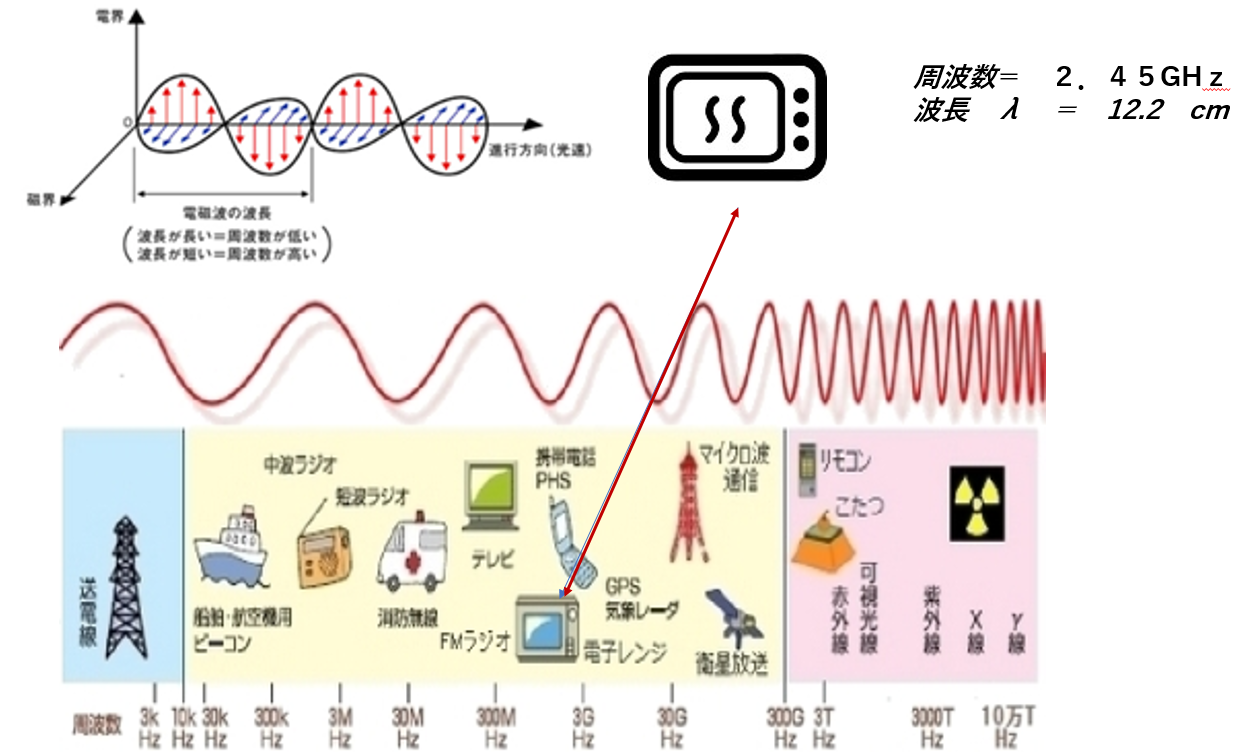
Radio Waves Used in Microwave Chemistry
The term "microwave" was named to indicate that it is an ultra-short wave among radio waves, referring to electromagnetic waves with a wavelength range of 1m to 1mm and frequency of 300MHz to 300GHz.
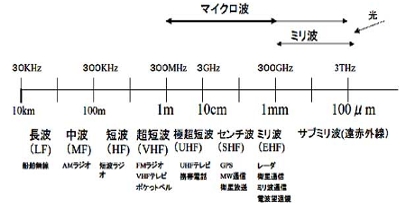
The frequencies that can be used in industrial, scientific, and medical fields are determined by the Radio Law as ISM frequencies (ISM: Industrial, Science, Medical).
ISM frequencies are 933.92MHz, 2.45GHz, 5.8GHz, 24.125GHz, and the frequency used in microwave chemical reaction apparatus is 2.45GHz, the same as microwave oven frequency.
This is because oscillators for this frequency are available at low cost due to the widespread use of microwave ovens.
Microwaves and Chemical Reactions - Dielectric Heating -
When microwaves are irradiated onto a substance, three phenomena occur depending on the properties of the substance: reflection (e.g., metals), transmission (e.g., glass, CO2), and absorption (e.g., H2O, polar solvents).
The selectivity of microwave chemistry is based on these three phenomena.
The effect of microwaves on substances is the orientation change of molecular dipoles in the microwave electromagnetic field.
When there is no electromagnetic field, molecular dipoles take random orientations, but under an electromagnetic field, they align regularly.
Under 2.45GHz frequency microwaves, substances are in an oscillating electric field, so dipoles are oriented according to the movement of the electric field.
The heating phenomenon of substances by microwave absorption occurs because the dipole orientation cannot follow the temporal changes of the microwave electric field.
As a result, part of the inherent dielectric properties of the substance is lost as heat. This phenomenon is called dielectric heating.
Dielectric heating occurs due to the dipole moments of substances, ionic conductivity, and permeability.
The parameters that determine the magnitude of dielectric heating in liquids are as follows.
Dielectric constant ε' is the relative permittivity of liquid substances relative to vacuum permittivity ε0, and is a value that depends on microwave frequency and temperature.
Dielectric loss ε" represents the amount of microwave input converted to heat.
Called dielectric loss because it means the loss of dielectric properties, it is useful as an indicator of heating due to the interaction between solvent and microwaves.
ε"/ε' corresponds to the efficiency of converting microwave energy to heat and is also defined as loss tangent tanδ.
In chemical reactions in solutions, experimental data on the dielectric characteristics of solvents involved in the reaction are useful for predicting reactions.
Table 1 shows ε', ε" for various solvents.
Table 1) Boiling Points and Dielectric Parameters of Solvents at 2.45GHz, 25°C
| Solvent | Boiling Point/°C | Dielectric Constant ε' | Dielectric Loss ε" |
| Glycerin | 290 | 43 | 27.99 |
| Ethylene Glycol | 198 | 37 | 49.95 |
| Ethyl Alcohol | 78 | 24 | 22.87 |
| Methyl Alcohol | 65 | 33 | 21.44 |
| Water | 100 | 80 | 9.9 |
| Solvent | Boiling Point/°C | Dielectric Constant ε' | Dielectric Loss ε" |
| Butyl Alcohol | 118 | 17 | 9.76 |
| Dimethylformamide | 153 | 37 | 6.07 |
| Dichloromethane | 40 | 9.1 | 0.38 |
| Tetrahydrofuran | 66 | 7.4 | 0.35 |
| Toluene | 111 | 2.4 | 0.1 |
The difference between solvents with large microwave effects and those with no effect at all is clear.
Glycerin and ethylene glycol with large ε" are often used as high-boiling point solvents in microwave synthesis.
Ionic solvents and ionic substances also generate heat by microwaves. However, non-polar solvents are not heated at all.
Microwave Irradiation and Chemical Reactions
Another example of factors that enable organic synthesis reactions to proceed rapidly and efficiently in microwave electromagnetic fields is the change in transition state due to dipole interactions under microwave electromagnetic fields.
It is thought that the decrease in activation energy by microwaves significantly increases reaction rates.
The microwave effect is remarkable for reaction systems with high activation state energy, large transition energy, and requiring long reaction times.
Targeting slow reactions! This is one hint when considering microwave synthesis.
The characteristics of microwave synthesis reactions can be summarized as follows.
- ・Dramatic reduction in reaction time⇔Reduced to 1/100 to 1/20 of conventional method time
- ・Environmentally friendly chemical technology⇔Synthesis with solvent-free or harmless solvents
- ・Energy saving⇔Reduced power consumption, shortened work time
- ・Creation of new substances⇔Provision of new organic synthesis chemical processes
Precautions in Microwave Synthesis Experiments
Microwave synthesis tends to be thought of as something that can be done with a "ding!" in a microwave oven, but experiments with microwave ovens involve dangers.
Especially, students should absolutely avoid conducting microwave oven experiments alone.
Since reaction rates increase remarkably due to microwave irradiation, reactions may runaway, so experiments must be conducted under temperature control.
Microwave reaction apparatus are designed to allow experiments to be conducted under temperature control.
Let's select a microwave reaction apparatus according to the experimental system and research new microwave synthesis methods.
Microwave Chemistry Technology 3Microwave chemistry
Microwave Reaction Apparatus Born from Microwave Oven Technology
When you "ding!" in a microwave oven, rice becomes warm in no time.
Let's apply this principle to chemical reactions!
Various microwave reaction apparatus have been developed with this idea.